


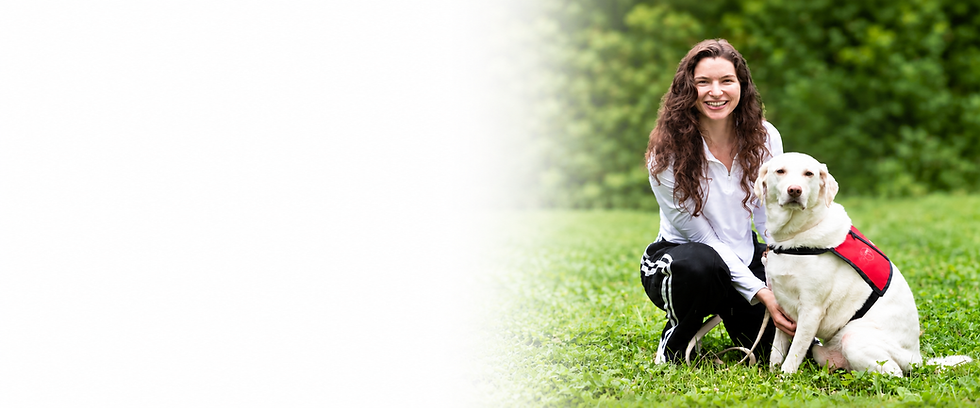
Diabetic Alert Dogs
Trained to alert to low and high blood sugar so you can check your glucose and take action.
Medical Mutts selects rescue dogs and trains them for medical alert work. Our diabetic alert dogs learn to recognize changes associated with blood sugar moving outside their person’s target range and give a clear, trained alert. They provide an additional layer of support alongside glucose monitoring and a diabetes care plan.

Rescue Dogs

Second chances save lives

Scent detection training

Individualized tasks
Real-world, positive reinforcement methods
Tailored to your needs and lifestyle
Ongoing support
We're with you for the long run

More than companions
How Diabetic Alert Dogs Help
Our dogs are trained to alert to changes associated with low and high blood sugar. They can also learn additional tasks based on each person’s needs.

Low & High Alerts
Give a clear alert when they detect low or high blood sugar.

Call for Help
Press an alert button or get another person when assistance is needed.

Retrieve Essentials
Bring glucose tablets, a phone, or other helpful items.

Comfort & Support
Provide companionship and trained comforting behaviors during stressful moments.
A diabetic alert dog adds another layer of support alongside glucose monitoring and your diabetes care plan. Individual tasks and alert performance vary.
How does scent training work?
Changes associated with hypoglycemia produce a scent that dogs can learn to distinguish. We use collected scent samples, reward-based training, and practice with the person the dog will support. We also teach an alert that the person can recognize and respond to.
Jennifer Cattet, Ph.D., coauthored a published study in which trained dogs identified hypoglycemia samples by scent under controlled test conditions.

How reliable are diabetic alert dogs?
Performance varies from dog to dog and can change with the setting, the person’s scent patterns, training practice, and day-to-day conditions. We assess each team individually and continue working with them after placement. We cannot promise an alert to every glucose change or an alert before a monitor detects it.
Is a diabetic alert dog right for you?
A diabetic alert dog may be especially valuable when a person needs additional help noticing or responding to lows. During the application process, we discuss their needs, daily routine, support system, and ability to participate in training and ongoing care.
We’ll also help determine whether a dog trained for public access, an in-home support dog, or training an existing dog is the best path. A dog must be suitable for the work; an assessment is the first step for an existing dog.
We'll help find the right path for you

3 ways to work with Medical Mutts
Get a fully trained service dog
We select, train, and match a dog for your needs, then teach you to work together.
Train your own dog
Explore in-home support
We assess your dog and guide training through available classes, private coaching, or board and train.
A faster & cheaper option for someone who needs trained assistance at home without public access.


Cost & What's Included
As a nonprofit, Medical Mutts covers part of the cost of each fully trained service dog through donations and grants.
Your client fee, based on scholarship support:
$16,000-$26,000
Estimated wait for a fully trained dog:
6–24 months
It costs Medical Mutts approximately $30,000 to select, care for, and train each dog. Your fee depends on your scholarship and is less than our cost to provide the dog.
What’s included
-
Training for low and high blood sugar alerts and other agreed-upon tasks
-
Public access training and careful matching
-
On-site team training to learn to work together
-
Ongoing support after placement
Training your own dog and in-home support have different fees and processes. We’ll discuss the appropriate option with you.